
Addressing Communication Challenges In Vietnam’s Textile Industry

Vietnam’s textile sector faces a critical challenge that threatens both worker satisfaction and industry competitiveness: the persistent communication gap between management and the workforce. With nearly 3 million employees across the industry, this issue demands immediate attention from policymakers and business leaders alike.
The Scale of the Problem
The textile industry’s structure presents unique communication challenges. Small and medium enterprises dominate the landscape, representing 88% of all textile companies in Vietnam. These businesses often lack the resources for dedicated internal communication systems, relying instead on traditional methods like bulletin boards and informal channels that fail to meet modern workforce expectations.

Limited communication leaves Vietnam’s textile workers in “information poverty” about key policies
This communication deficit has real consequences. Workers frequently experience what industry experts describe as “information poverty” – a state where employees lack access to crucial information about policies, benefits, and workplace changes that directly affect their livelihoods. The situation becomes more acute when considering that 84.4% of textile workers are classified as general laborers, many of whom work extended hours that leave little time for seeking information independently.
Real-World Impact
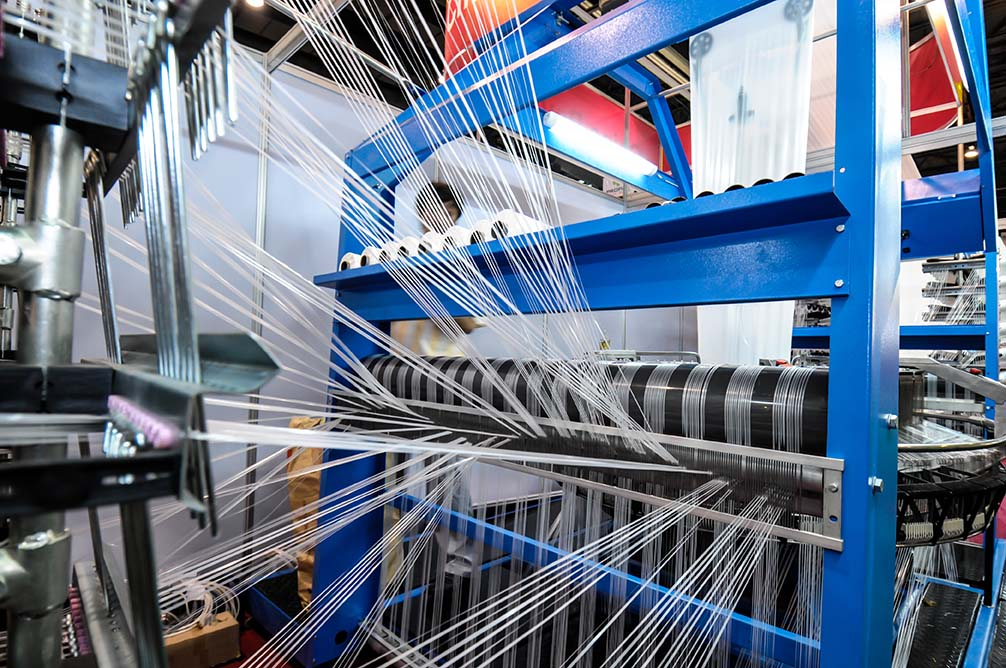
Sudden schedule changes increase stress for uninformed textile workers
The consequences of poor communication manifest in various ways throughout the industry. Workers report feeling disconnected from management decisions, even when these decisions significantly impact their daily routines. For instance, sudden changes in production schedules driven by international trade policies often catch workers off-guard, creating uncertainty and stress in the workplace.
This disconnect extends beyond immediate operational concerns. Employees struggle to access information about career development opportunities, training programs, and advancement pathways. Without clear communication channels, workers cannot effectively plan their professional futures or understand how to improve their positions within their companies.
Generational Shifts in Information Consumption
The textile workforce is evolving, with Generation Z employees (those born between 1996-2015) increasingly joining factory floors. These younger workers bring different expectations about information access and communication styles. They prefer digital platforms and interactive communication methods over traditional one-way information dissemination.

Traditional factory communication clashes with Gen Z’s digital-first expectations
Survey data reveals that 77.6% of textile workers consider information access highly effective when properly implemented, while 56.9% believe current communication methods need significant improvement to match their preferences and needs. This generational shift requires companies to rethink their communication strategies fundamentally.
Systemic Barriers to Effective Communication
Several factors contribute to the persistent communication gap in Vietnam’s textile industry. The regulatory framework, while comprehensive in many areas, lacks specific guidance on information transparency requirements for private enterprises. This creates uncertainty about what information companies must share and how they should share it.
Additionally, the industry’s rapid growth has outpaced the development of communication infrastructure. Companies that started as small family businesses now employ hundreds or thousands of workers but continue using communication methods designed for much smaller organizations.

Legacy communication tools fail in large, modern textile factories
The educational background of many textile workers also presents challenges. Limited literacy and digital skills can make it difficult for some employees to access and process complex information, even when companies make genuine efforts to improve communication.
Technology as a Solution
Forward-thinking companies are beginning to leverage technology to bridge communication gaps. Multi-channel approaches that combine traditional methods with digital platforms show promise in reaching diverse worker populations effectively. Social media platforms, mobile applications, and digital bulletin boards can supplement traditional communication methods while providing opportunities for two-way dialogue.
However, technology alone cannot solve the communication problem. Companies must also invest in training programs that help workers develop the skills needed to access and evaluate information critically. This includes digital literacy training and education about workers’ rights and benefits.

Real progress requires both communication tools and worker education
Policy Recommendations
Industry experts suggest several policy interventions to address communication challenges systematically. These include developing specific regulations that mandate information transparency in private enterprises, establishing minimum standards for workplace communication, and creating enforcement mechanisms to ensure compliance.
Professional development programs for HR managers and communication staff at small and medium enterprises could help build internal capacity for effective communication. Government support for these initiatives would demonstrate commitment to improving labor relations across the industry.
Best Practices Emerging
Some textile companies are already implementing innovative communication strategies with positive results. These organizations treat information sharing as a strategic investment rather than a regulatory burden. They implement multiple communication channels, provide regular training on information access, and create feedback mechanisms that allow workers to voice concerns and suggestions.

Communication excellence sets top-performing textile companies apart in a competitive industry
Companies that prioritize transparent communication report higher employee satisfaction, improved productivity, and better labor relations. These outcomes suggest that addressing communication challenges offers significant returns on investment for textile manufacturers.
The Path Forward
Solving the communication gap in Vietnam’s textile industry requires coordinated action from multiple stakeholders. Companies must invest in communication infrastructure and training. Government agencies need to develop clearer regulatory frameworks that promote transparency while remaining practical for small businesses. Worker organizations can play a crucial role by advocating for better communication standards and helping employees develop information literacy skills.
The textile industry’s future competitiveness depends partly on its ability to create workplaces where information flows freely between management and workers. Companies that successfully bridge this communication gap will likely find themselves better positioned to attract and retain skilled workers, adapt to market changes, and maintain positive labor relations.
As Vietnam’s textile industry continues to evolve and compete in global markets, addressing communication challenges becomes not just a matter of regulatory compliance or worker satisfaction, but a strategic imperative for sustainable growth and development.
